
How Custom Window Coverings Enhance Comfort and Energy Efficiency
Windows play a central role in shaping the comfort, functionality, and energy performance of a home. They allow natural light to enter, provide views of the outdoors, and contribute to architectural character. However, windows can also be one of the most significant sources of heat gain, heat loss, glare, and inconsistent indoor temperatures. Without proper management, they may lead to drafts in the winter, excessive warmth in the summer, and higher utility bills year-round. As homeowners become more focused on energy efficiency and personalized comfort, attention increasingly turns to how windows are treated and insulated.
One of the most effective ways to address these concerns is through the strategic use of custom window coverings. Unlike off-the-shelf options, tailored solutions are designed to fit the exact dimensions, style, and functional needs of each space. By combining aesthetics with performance, custom window coverings offer a comprehensive approach to improving indoor comfort while supporting long-term energy savings. From reducing solar heat gain to minimizing air leakage, these coverings serve as both decorative features and practical energy-management tools.
Reducing Solar Heat Gain and Glare
Direct sunlight can be both beneficial and problematic. While natural light enhances mood and reduces the need for artificial lighting, excessive sun exposure may create glare, fade furnishings, and elevate indoor temperatures. Custom window coverings provide precise control over how much light enters a space and at what intensity.
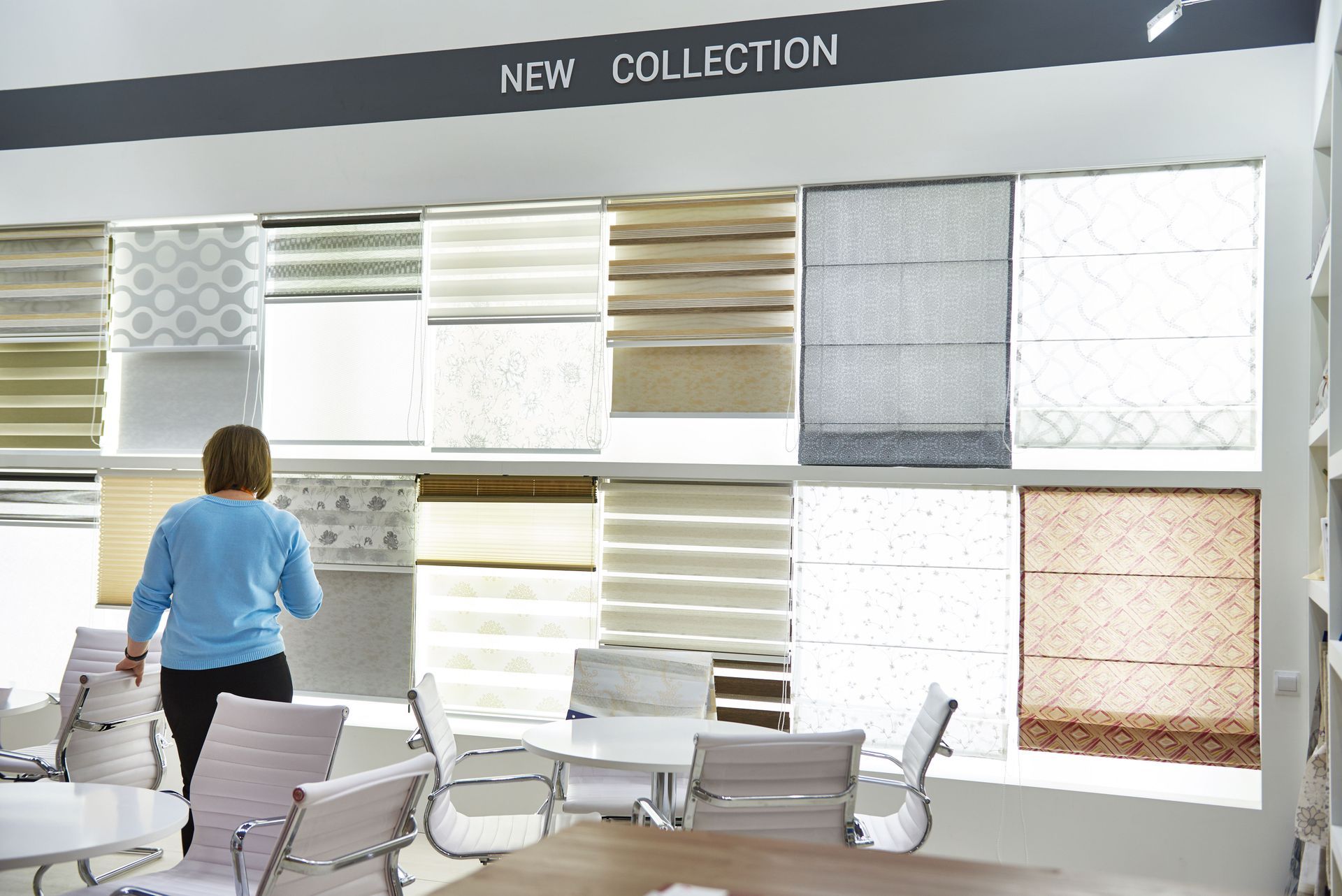
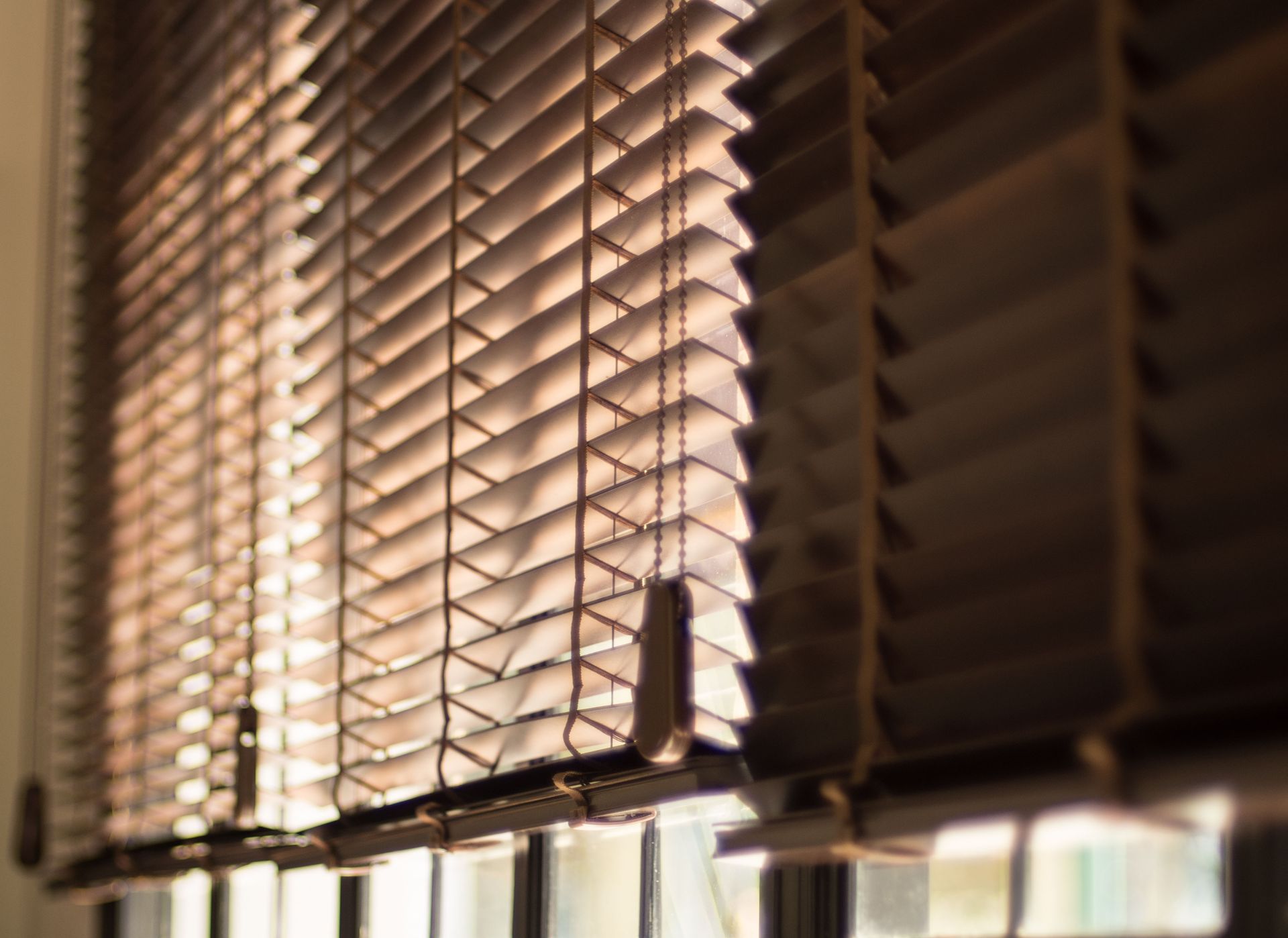
Options such as adjustable blinds and layered shades allow occupants to fine-tune light levels throughout the day. Sheer fabrics can diffuse harsh sunlight while maintaining visibility, whereas room-darkening treatments can significantly reduce glare in media rooms or home offices. This level of control is particularly valuable in spaces with large south- or west-facing windows that receive prolonged sun exposure.
Window size also plays a meaningful role in managing solar heat gain. According to Fixr, most windows are approximately 14 to 20 square feet in size, although dimensions and shapes can vary significantly. When multiplied across multiple rooms, even moderate-sized windows represent a substantial surface area through which sunlight can enter. Custom window coverings are designed to match these exact measurements, ensuring full coverage and eliminating gaps that could allow excess light and heat to bypass the treatment. By addressing both glare and solar heat gain, these tailored solutions create a more comfortable visual environment and help maintain stable indoor temperatures throughout the day.
Enhancing Airflow Control and Draft Prevention
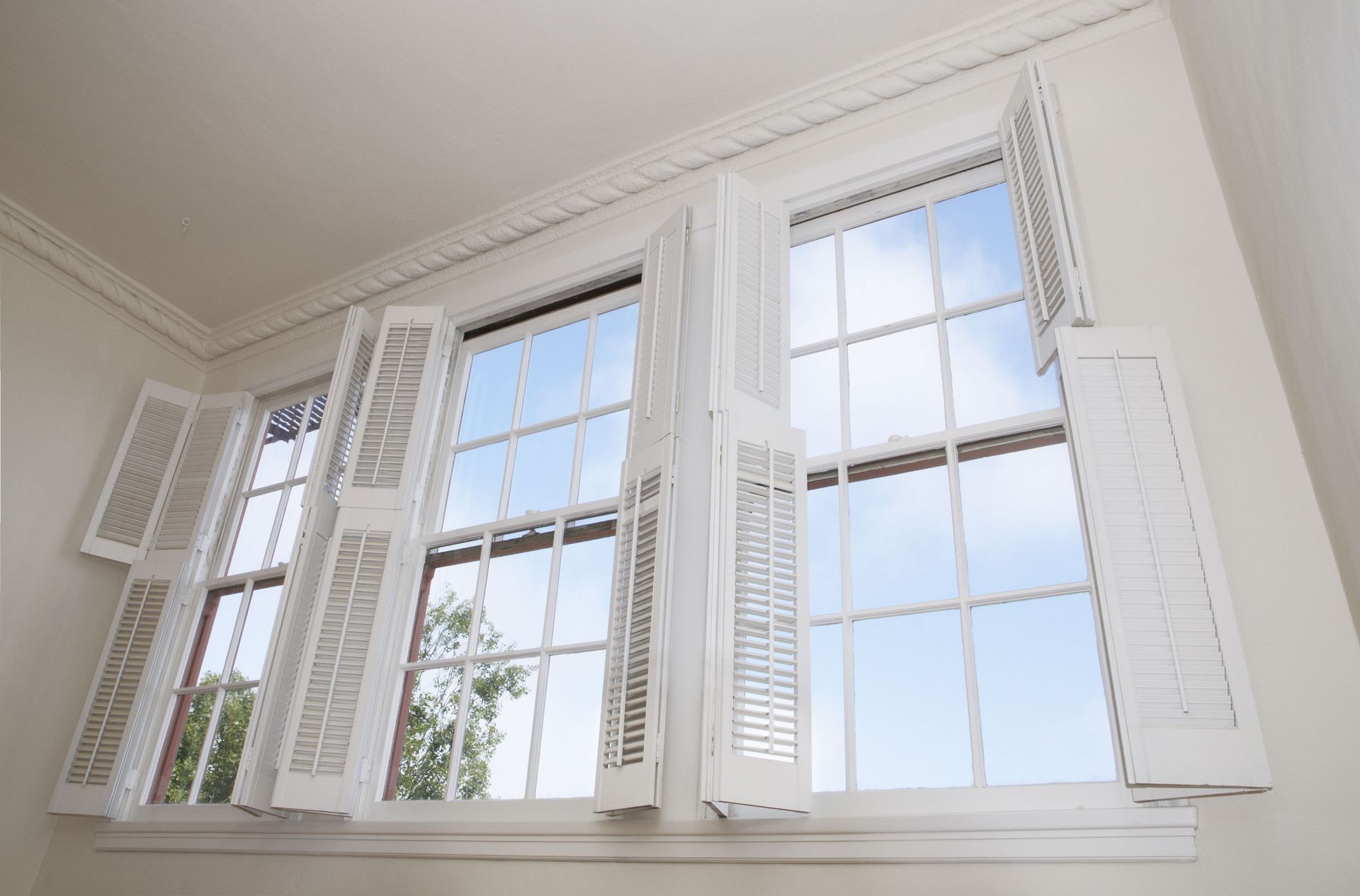
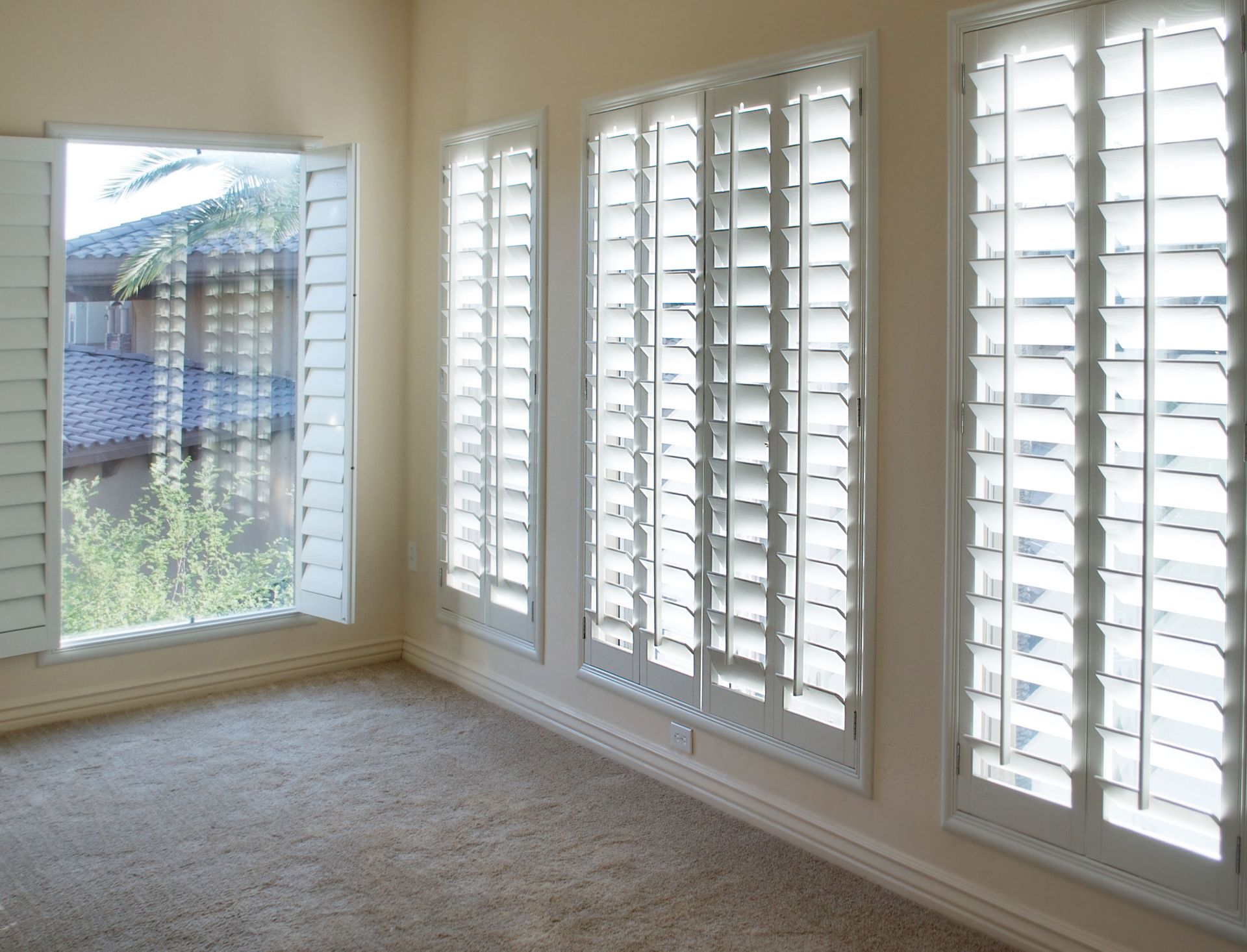
Air leakage around windows can compromise comfort and efficiency, especially in older homes. Even small gaps between the window frame and surrounding structure may permit cold drafts in winter and warm air infiltration in summer. Standard, loosely fitted treatments often fail to address these issues effectively. Custom window coverings are fabricated to align precisely with the dimensions of each window opening. This exact fit reduces gaps along the edges and ensures a tighter seal when the coverings are fully closed. Certain styles, such as interior shutters and layered drapery systems, can add another layer of resistance against airflow, further limiting unwanted drafts.
In addition to minimizing air leakage, some coverings allow for controlled ventilation. For example, adjustable slats enable homeowners to direct airflow upward or downward while maintaining privacy. This flexibility supports natural ventilation strategies, which can reduce reliance on mechanical cooling during mild weather conditions. Through both sealing and ventilation control, custom window coverings contribute to a balanced indoor environment. The result is fewer temperature inconsistencies and improved comfort without constant thermostat adjustments.
Supporting Energy Efficiency Goals
Energy efficiency has become a priority for many households seeking to lower their environmental impact and manage rising utility costs. Windows are frequently identified as one of the least efficient components of a building envelope. While upgrading to high-performance glazing can be effective, it often involves significant expense. Custom window coverings provide a more accessible and versatile solution that complements existing windows.
By limiting heat transfer and controlling sunlight, these coverings reduce the workload placed on HVAC systems. Heating units operate less frequently when interior heat is retained during colder months, and air conditioning systems require less energy when solar heat gain is minimized. Over time, decreased system usage can extend equipment lifespan and lower maintenance costs.
Some advanced products incorporate reflective backings, thermal linings, or multi-layered construction specifically engineered for energy performance. When selected thoughtfully, custom window coverings become an integral part of a comprehensive energy strategy. They can be paired with programmable thermostats, high-efficiency appliances, and proper insulation to create a cohesive approach to reducing overall energy consumption.
Improving Acoustic Comfort and Indoor Privacy
Comfort extends beyond temperature and lighting. Noise control and privacy also influence how occupants experience their living spaces. Windows can transmit external sounds such as traffic, neighborhood activity, and weather-related noise. While window upgrades may help, custom window coverings can also contribute to improved acoustic performance.
Heavier fabrics and layered treatments absorb and dampen sound waves, reducing the amount of noise that enters a room. This can be particularly beneficial in urban or high-traffic areas where outside disturbances are common. Even moderate sound reduction can enhance concentration, relaxation, and overall well-being. Privacy is another essential aspect of indoor comfort. Tailored treatments allow homeowners to control visibility without sacrificing natural light. Top-down and bottom-up shades, for example, enable light entry from above while maintaining privacy at eye level. Adjustable blinds and shutters offer similar flexibility.
By combining sound absorption and privacy management, custom window coverings address multiple dimensions of comfort simultaneously. These benefits reinforce their role as functional design elements rather than purely decorative additions.
Elevating Interior Design and Personalization
While performance is critical, aesthetic considerations remain central to any home improvement decision. Custom window coverings offer a wide range of materials, colors, textures, and configurations that can be tailored to complement architectural styles and personal preferences. Unlike mass-produced alternatives, custom treatments are designed with specific room dimensions, color palettes, and design goals in mind.
The ability to coordinate window treatments with furniture, flooring, and wall finishes enhances visual cohesion throughout the home. Motorized options further increase convenience, allowing homeowners to adjust coverings with the touch of a button or integrate them into smart home systems.
Personalization also extends to functionality. Different rooms may require distinct solutions based on orientation, usage, and privacy needs. Bedrooms might benefit from blackout features, while living areas may prioritize light diffusion and view preservation. By addressing these unique requirements, custom window coverings provide a level of adaptability that standard products cannot match.
Maintaining Long-Term Value and Performance
Investing in quality materials and professional installation contributes to long-term durability and performance. Custom window coverings are typically constructed with higher-grade components and crafted to precise specifications. Proper installation ensures that mechanisms function smoothly and that treatments align correctly within the window frame. Routine maintenance, such as cleaning and occasional adjustments, helps preserve both appearance and functionality. When cared for appropriately, these coverings can provide years of reliable service. Their ability to adapt to seasonal changes, reduce energy use, and enhance comfort reinforces their value over time.
As homeowners continue to seek balanced solutions that combine comfort, sustainability, and design, tailored window treatments remain a compelling option. Through improved insulation, light management, airflow control, acoustic enhancement, and visual appeal, custom window coverings offer a multifaceted approach to optimizing indoor environments. Call Wholesale Shutters & Blinds today to schedule your shutter or blind consultation.

Share On: